
No products in the cart.
Public
The psychology of risk understanding the mental effects of gambling
The psychology of risk understanding the mental effects of gambling
The Nature of Risk in Gambling
The concept of risk plays a pivotal role in gambling, shaping the experiences and decisions of players. When individuals engage in gambling activities, they are often drawn to the thrill of uncertainty and the potential for significant rewards. This allure of risk can stimulate the brain’s reward system, creating a sense of excitement that encourages repeated behavior. Many gamblers find that the excitement of taking risks can overshadow the reality of potential losses, leading to a cycle of continued play despite adverse outcomes. Notably, a great resource for online gaming is https://casino-nikaspin.com, offering a dynamic range of options.
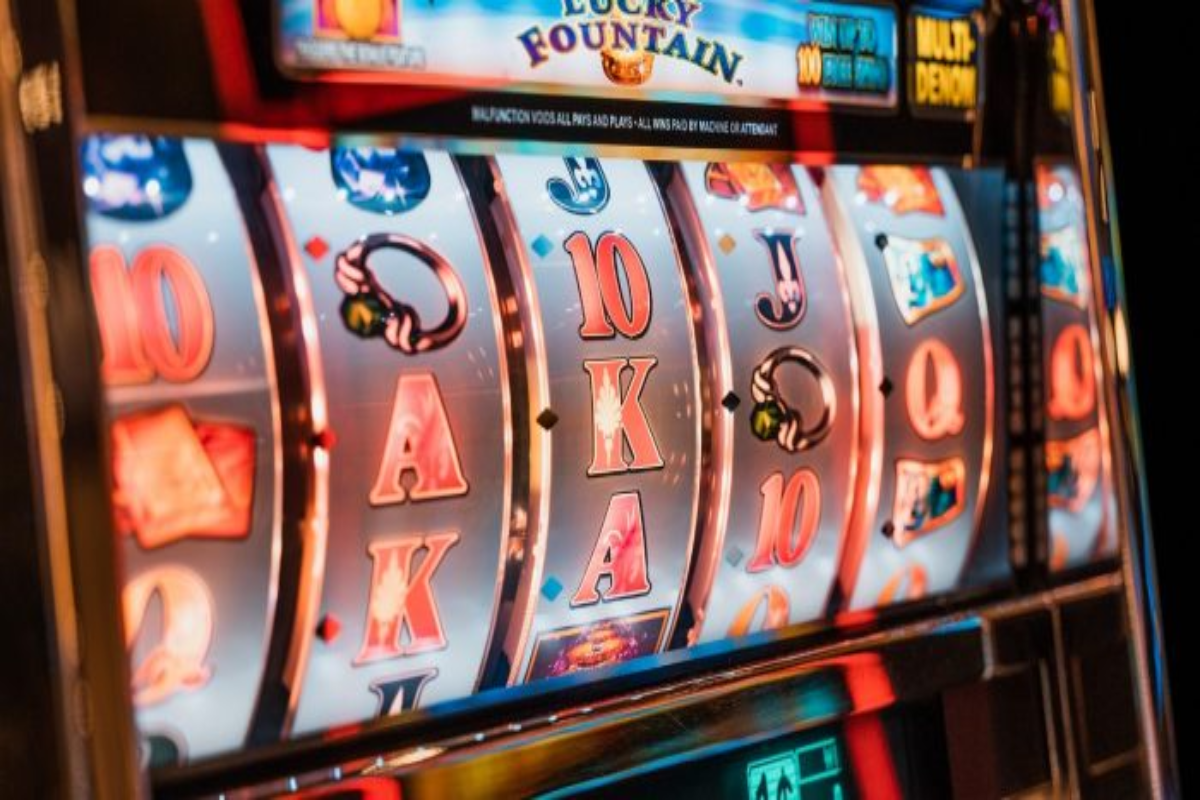
Understanding the psychology behind risk in gambling requires examining how individuals perceive and react to uncertainty. Gamblers frequently employ cognitive biases, such as overconfidence and the illusion of control, believing they can influence the outcome of random events. This distorted thinking often leads to a misunderstanding of odds and probabilities, further entrenching them in risky behaviors. By recognizing these psychological factors, we can better understand why individuals might persist in gambling even when the odds are against them.
Additionally, the environment in which gambling occurs can amplify the perception of risk. Casinos are designed with bright lights, alluring sounds, and a social atmosphere that fosters a sense of community. This environment can heighten the emotional response to risk-taking, encouraging players to wager more than they initially intended. The psychological impact of being surrounded by others who are also engaging in risky behavior can create a false sense of security, making it easier for individuals to ignore the potential consequences of their actions.
The Emotional Roller Coaster of Gambling
The emotional highs and lows associated with gambling can significantly impact an individual’s mental state. Winning can lead to feelings of euphoria and validation, while losing often results in frustration and despair. These contrasting emotions create a psychological roller coaster that can be addictive. The highs can reinforce gambling behavior, making players more likely to chase losses in an attempt to regain their previous success, thereby entrenching them further in a cycle of risk-taking.
Moreover, the concept of “near misses” plays a crucial role in emotional responses to gambling. When players narrowly miss a win, the brain can register this experience as a small victory, stimulating the release of dopamine. This false sense of success can compel gamblers to keep playing, fostering an optimistic belief that they are close to a win. Such psychological phenomena can lead to persistent gambling behavior, even when the actual likelihood of winning remains low.
The emotional effects of gambling are further complicated by underlying psychological conditions. Many individuals who engage in gambling may be coping with stress, anxiety, or depression. In these cases, gambling serves as an escape mechanism, allowing players to temporarily forget their troubles. Unfortunately, this can lead to a dangerous cycle where gambling exacerbates their emotional issues, creating a need for more significant risk-taking to achieve the same emotional relief. This interplay between gambling and mental health underscores the importance of understanding the psychology behind risk in this context.
The Social Dynamics of Gambling
Social interactions significantly influence gambling behavior. The presence of friends or peers can amplify the excitement and perceived safety of taking risks. Social gambling environments, such as casinos or gaming clubs, foster a sense of camaraderie that can make the experience more enjoyable but also more perilous. Players may feel encouraged to take larger risks due to the social context, feeling validated by their peers’ behaviors and attitudes towards gambling.
Moreover, the social aspect of gambling can contribute to a culture where excessive risk-taking is normalized. When individuals observe others winning large sums or enjoying their experiences, they may perceive gambling as a viable way to achieve similar results. This can lead to increased participation and a greater willingness to take risks. The camaraderie felt among gamblers can often overshadow the inherent risks associated with gambling, creating a misleading perception that everyone is succeeding.
Furthermore, social media has also transformed how gambling behaviors are shared and perceived. The prevalence of online communities where individuals share their wins, strategies, and experiences can promote a culture of risk-taking. This digital narrative often glorifies high-stakes gambling, making it seem appealing and attainable, especially for those who are susceptible to peer influence. Understanding these social dynamics is crucial in recognizing how they contribute to the overall psychology of gambling risk.
Preventive Measures and Responsible Gambling
Recognizing the psychological effects of gambling is essential for developing effective preventive measures. Responsible gambling initiatives aim to educate players about the risks associated with gambling and promote healthier habits. This involves creating awareness of the cognitive biases and emotional responses that can lead to irresponsible behavior. By providing resources and support, gambling organizations can help individuals make informed decisions and reduce their likelihood of developing harmful gambling habits.
Furthermore, implementing self-exclusion programs can empower players to take control of their gambling habits. These programs allow individuals to voluntarily exclude themselves from gambling activities, providing a necessary break from the cycle of risk. By fostering a culture that encourages self-awareness and self-regulation, individuals can mitigate the psychological impact of gambling and make healthier choices regarding their engagement with risk.
In addition, mental health support is critical in addressing the emotional and psychological challenges associated with gambling. Therapy and counseling can provide individuals with coping strategies to manage their emotions and behaviors related to gambling. By understanding the underlying issues that lead to excessive risk-taking, individuals can work towards healthier coping mechanisms, reducing the psychological burden that gambling may impose.

NikaSpin Casino: A Safe and Engaging Environment
NikaSpin Casino exemplifies the importance of creating a secure and supportive online gambling environment. With a vast selection of over 5,000 games, it aims to provide an enjoyable experience while prioritizing the well-being of its players. Licensed by Curaçao, NikaSpin implements advanced security protocols to ensure the protection of user data and funds, contributing to a safer gaming atmosphere.
The platform also emphasizes responsible gambling practices by offering resources and tools to help players make informed decisions. NikaSpin recognizes the importance of understanding the psychology of risk and actively encourages its users to engage in responsible gaming behaviors. With a generous welcome bonus of up to 400% and 350 free spins, the casino aims to enhance the player experience while remaining committed to promoting safe gambling practices.
With 24/7 customer support and quick transaction processing, NikaSpin Casino strives to create a smooth and engaging gaming experience. By fostering a supportive environment, it acknowledges the psychological aspects of gambling and works towards ensuring that players can enjoy the thrill of gaming without compromising their mental well-being.